

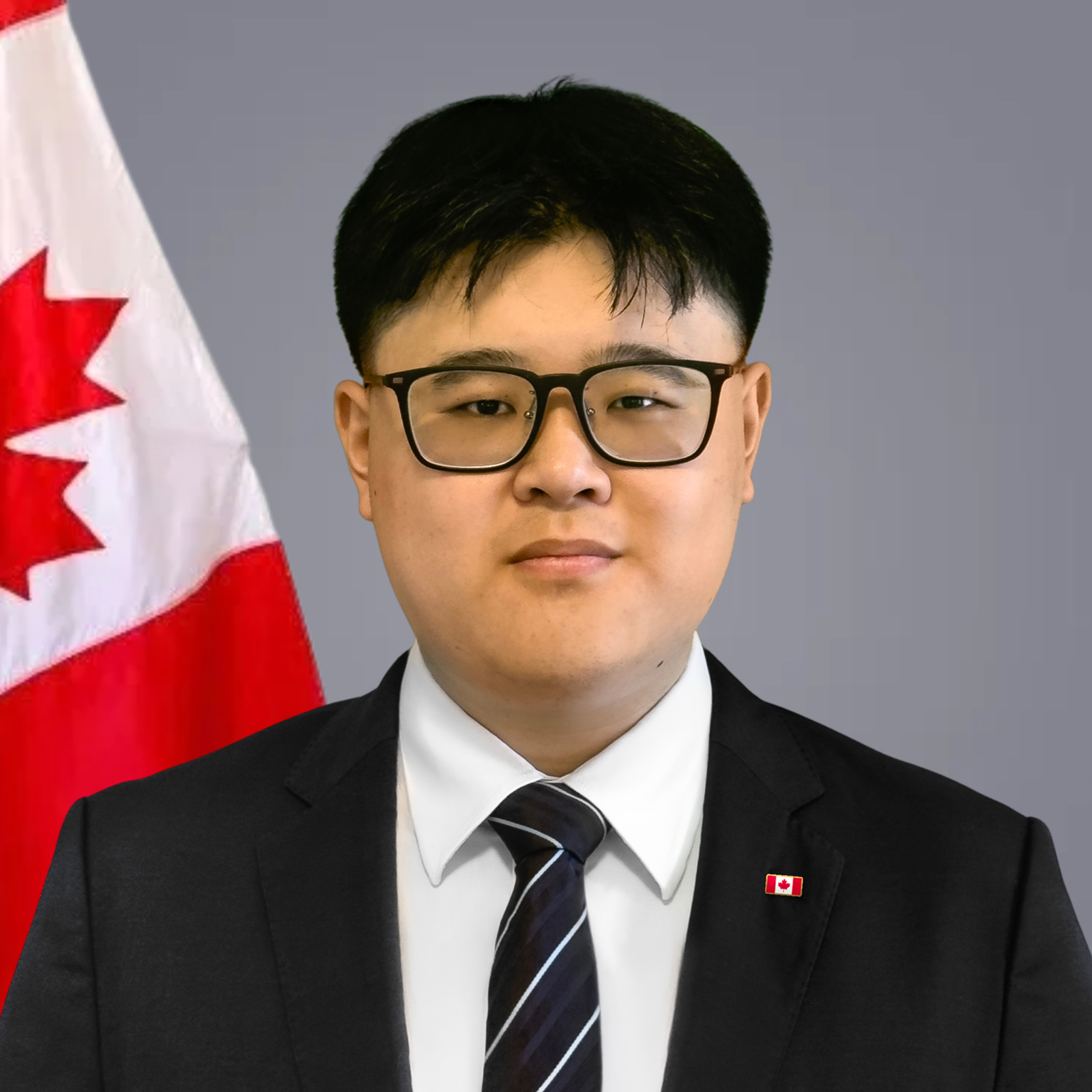
Bruce Yu

Bruce Yu
Candidate for YRDSB Trustee
Bruce Yu, a former York Region District School Board Student Trustee, is seeking to represent Aurora and Whitchurch-Stouffville as a trustee on a pledge to move money from administration and consultants to teachers, educational assistants, and school repairs.
He also backs restoring School Resource Officers, a framework for student AI use, and new schools in growing communities.
- Classroom Spending: Yu wants administration streamlined and consultant spending cut so more money goes to teachers, educational assistants, and school repairs.
- Growth & Capacity: He would advocate for new schools in growing communities and wants local input on any consolidations or boundary reviews.
- School Safety: Supports restoring the School Resource Officer program and consistently enforcing safety policies.
- Special Education: Yu cites his time on the Minister’s Advisory Council for Special Education and would support parents through the IPRC process.
- Technology: Calls for a framework for student AI use and consistent enforcement of provincial classroom cellphone restrictions.
- Accountability: If elected, he says residents should judge him on his responsiveness, student achievement, and whether students and staff feel safer in four years.
Bruce Yu says the York Region District School Board (YRDSB) should weigh every budget decision by its impact on the classroom, shifting money away from administration and consultants and toward teachers, educational assistants (EAs), and school repairs.
Yu, a candidate for YRDSB Trustee representing Aurora and Whitchurch-Stouffville, laid out that approach in written responses to the Stouffville Votes 2026 trustee questionnaire from Bullet Point News. The 10 questions covered student achievement, budgeting, class sizes, special education, safety, enrolment, technology, provincial advocacy, and Board governance.
Yu served as a YRDSB Student Trustee in 2021 and 2022. Among his credentials, he cited two years on the Minister’s Advisory Council for Special Education and an appointment to the Advocacy Committee for Strides Toronto, an organization he described as offering community, autism, developmental, and mental health supports.
Money in the Classroom, Not With Consultants
The Board approved a balanced $1.7-billion budget for 2026-27 in June, planning for declining enrolment and rising costs. Asked what principles should guide its spending amid pressures on staffing, special education, mental health, and transportation, Yu wrote that “every budget decision should first consider the impact on the classroom.”
He would work to streamline administration so more funding reaches classrooms “and less goes to expensive management consultants.” His top priorities are hiring teachers and EAs and repairing aging schools and essential infrastructure, including air conditioning.
Asked what would be on the table should a significant budget reduction be necessary, Yu did not identify specific areas beyond administration and consultants, or estimate how much those cuts could save.
Yu tied class sizes to the same approach. Cutting administrative overhead and outside consultants “frees up money to hire more teachers and EAs, which means smaller classes and fewer split grades,” he wrote, adding that he would always advocate to prioritize funding for classroom staff and school repairs.
New Schools & Consolidations
With rapid growth in some parts of York Region, and declining enrolment expected in others, Yu wrote that he would be “a strong advocate for new schools in growing communities.” He also wants local input included in decisions on any proposed school consolidations or boundary reviews.
Safety Protocols & School Resource Officers
Yu wrote that every student has the right to a safe and welcoming learning environment, and every staff member to a safe workplace. He would push for clear, enforced safety protocols and stronger action on bullying, violence, and hate-motivated attacks.
He supports restoring the School Resource Officer program and working with York Regional Police “to keep drugs and weapons out of schools.” He would also advocate for more child and youth workers in classrooms and consistent enforcement of school safety policies.
Beyond adding child and youth workers, Yu did not propose specific supports for students whose behaviour presents challenges.
Special Education & IPRC Process
Yu wrote that his advisory council and Strides Toronto experience “has prepared me well to advocate for students with exceptionalities at the Board table.”
He did not offer specific changes he would advocate for in special education, but wrote that he would support parents through the Identification, Placement and Review Committee (IPRC) process and provide resources so they are “well-equipped to advocate for the accommodations and resources that will allow their children to succeed.”
School boards are required under provincial regulation to establish an IPRC, which decides whether a student should be identified as exceptional and what placement best meets their needs, ranging from a regular class with added support to a special education class.
Measuring Achievement
Asked what evidence beyond Education Quality and Accountability Office (EQAO) scores, attendance, and graduation rates he would use to gauge whether students are improving, Yu suggested no additional measures. He wrote that those three are “important indicators of student achievement” that “keep both senior staff and Trustees accountable.”
He would “diligently scrutinize” the benchmarks as a trustee, he wrote, and work with Board Staff to identify targeted solutions for improving literacy, numeracy, and critical thinking.
An AI Framework & Cellphone Restrictions
“Artificial intelligence presents an exciting opportunity but also threatens to undermine critical thinking and independent learning skills,” Yu wrote.
He supports developing a framework for appropriate AI use that would show students how to make the most of the technology, while acknowledging its limitations and its implications for academic integrity. He also supports provincial cellphone restrictions in classrooms and would push for consistent enforcement in every school.
Taking Local Issues to the Province
The questionnaire asked Yu to name one issue affecting students and families in Aurora and Whitchurch-Stouffville that he would take directly to Education Minister Paul Calandra, who represents Stouffville provincially, and what he would ask him to change.
Yu wrote that he would work collaboratively with local MPPs to bring forward the interests of families in Stouffville and Aurora. He listed discussions about new schools and capital improvements, school safety, and other policies set by the provincial government, but did not name a specific local issue or concern he would raise with the Minister.
Board Governance
Trustees elected Oct. 26 will work under new provincial rules that change how school boards are governed.
The Minister can now investigate a board over financial concerns or other matters of public interest, and can issue directions to a board, its trustees, or its Director of Education when their actions could affect the public interest.
If a board does not follow those directions, the Minister can take control of it.
The rules also make the Director of Education the Board’s Chief Executive Officer (CEO). The CEO appoints a Chief Education Officer and cannot be dismissed without the Minister’s approval.
Yu wrote that keeping the CEO accountable is one of a trustee’s key roles. Recalling his time as a Student Trustee, he wrote that he “did not hesitate to vocalize concerns” when he felt decisions by senior staff did not align with the core principles of student achievement and well-being.
Asked about the governance changes, including where he sees threats or opportunities, Yu did not comment on them directly.
Accountability & Oversight
The trustee role is as much about giving parents information on how to navigate the school board, and being a local advocate, as it is about Board-wide policy decisions, Yu wrote. In four years, he hopes residents will judge him on whether he answered calls and emails promptly, whether student achievement improved, and whether students and staff feel safer in schools.
“I will continue to ask hard questions and be a fierce advocate for accountability and strong financial oversight,” he wrote.
