- Dr. Allan Grill’s “RTS” Back-to-School Plan focuses on routines, wellness tips, and shots to help children start the school year healthy and ready to learn.
- Build Healthy Routines: Gradually reset sleep schedules, limit screen time before bed, and prioritize healthy meals and hydration.
- Support Well-Being: Encourage open conversations about school, watch for signs of stress, promote kindness, and reinforce safety habits.
- Stay Vaccinated: Review immunization records and ensure children and teens are up to date on recommended vaccines and boosters.
- Set Students Up for Success: Healthy habits, family support, and up-to-date vaccinations help students stay safe, confident, and prepared for the year ahead.
As summer winds down and families squeeze in last-minute trips to the Canadian National Exhibition, the reality of a new school year is setting in. Dr. Allan Grill, Chief of Family Medicine at Markham Stouffville Hospital, says a successful return to the classroom starts with healthy routines, wellness habits, and up-to-date vaccinations.
To help families prepare, Grill offers a simple acronym: RTS. While it may sound like “return to school,” it stands for three pillars of a healthy transition: Routines, Tips to Promote Wellness, and Shots.
R is for Routines
According to Grill, establishing routines before the first day of school can help children adjust more smoothly and reduce stress.
One of the most important routines is sleep. Parents should begin shifting bedtime and wake-up schedules one to two weeks before classes begin, gradually moving them earlier each night.
“Not getting enough sleep can have a major impact on academic achievement,” Grill said.
He also recommends turning off screens at least an hour before bedtime and creating a calming nighttime routine that might include a bath or shower, reading together, and quiet time before sleep.
Nutrition is another critical part of the back-to-school routine. Grill encourages families to prioritize balanced breakfasts and nutritious lunches that include whole grains, protein, fruits, and vegetables.
“It’s obviously very difficult to focus on an empty stomach,” he said.
Water should be the beverage of choice, while sugary drinks should be limited because of their link to obesity. Reusable water bottles can help students stay hydrated throughout the day.
He also reminds families to respect school food allergy policies.
“Some kids have life-threatening anaphylactic food allergies,” Grill said. “If teachers ask families not to bring certain foods, it’s important that children understand those rules and respect them.”
T is for Tips to Promote Wellness
Back-to-school season can bring excitement, but it can also trigger anxiety, particularly for students entering a new school or grade.
Grill advises parents to have open conversations about both worries and excitement surrounding the upcoming year.
“Parents should talk openly with their kids about worries they may have starting the school year, or even things that they’re excited about,” he said.
Warning signs of stress can include changes in sleep, appetite, or mood. For children attending a new school, a visit before the first day can help reduce uncertainty and build confidence.
Grill also stresses the importance of discussing kindness and respect.
“Bullying is not okay,” he said. “We want to treat everybody with respect.”
Parents seeking additional support can reach out to school social workers, who can provide advice, resources, and guidance related to student mental health.
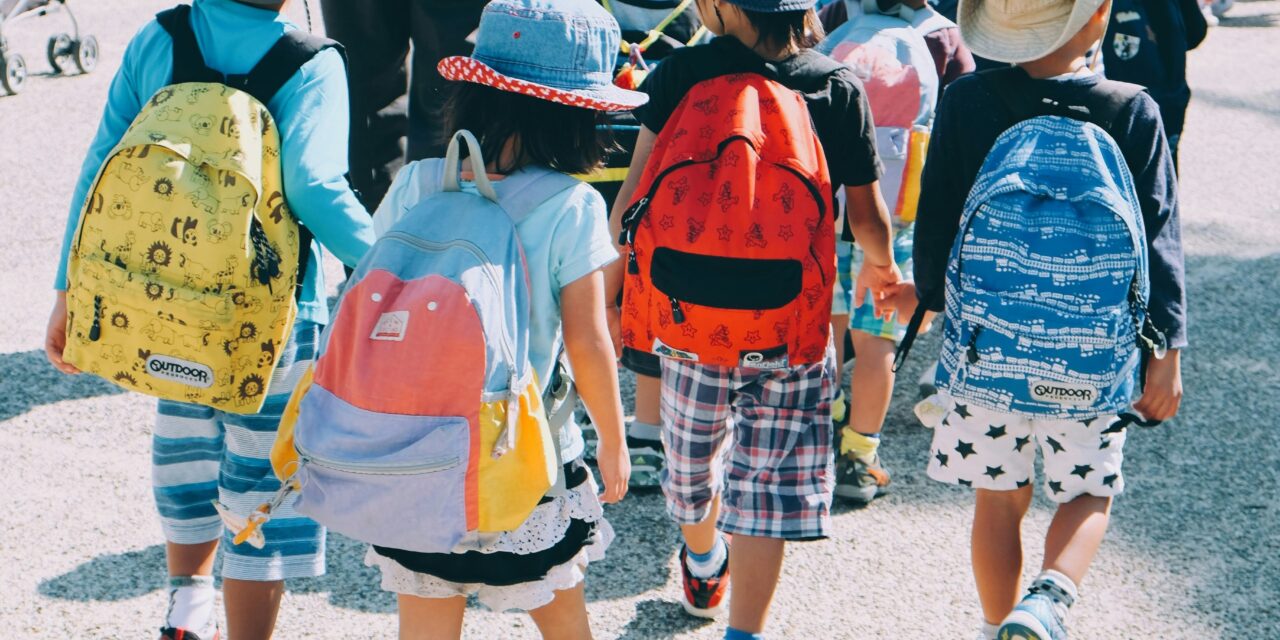
Physical wellness is equally important. Grill recommends choosing a supportive, well-fitted backpack and ensuring children wear both shoulder straps to avoid back strain. He also suggests cleaning out backpacks every few weeks to remove unnecessary weight.
For students who bike to school, bright clothing and a properly fitted helmet are essential. Children walking to school should be reminded to cross at designated crossings or with crossing guards and always look both ways before entering the street.
S is for Shots
The start of the school year is also an ideal time for parents to review their children’s vaccination records.
“Whenever the school year starts, it’s a great reminder for parents to make sure that their kids are up to date on their vaccines,” Grill said.
Families can confirm vaccination status through their family doctor, nurse practitioner, or pediatrician. York Region residents can also check with York Region Public Health.
Grill notes that students in Grades 7 and 8 will typically receive school-based vaccinations against meningitis, hepatitis B, and human papillomavirus (HPV).
For students entering university, he recommends discussing the meningitis B vaccine with a health-care provider. While it is not publicly funded, many private insurance plans cover it.
Teenagers around age 14 or 15 should also ensure they have received the Adacel booster vaccine, which protects against tetanus, diphtheria and pertussis (whooping cough).
“These vaccines are safe. They’re effective. They are based on years of scientific evidence and are a cornerstone of public health,” Grill said.
He emphasized that immunization protects not only individual children but also classmates who may be more vulnerable because of weakened immune systems.
Looking Ahead
As students prepare to return to classrooms, Grill hopes families focus on health, safety, and opportunity.
“Try your best, find out what your interests are, and work with your teachers and your parents for success,” he said. “Have a great year.”
For parents feeling the pressure of another school year approaching, Grill’s message is straightforward: build healthy habits early, support children’s mental and physical well-being, and make sure vaccinations are up to date. A little preparation now can set the stage for a successful year ahead.