- York Region is now accepting preliminary applications for its Circular Economy Initiatives Fund (CEIF).
- The grant program offers $5,000 to $25,000 for local nonprofit projects that help reduce residential waste.
- Projects fall under two streams: Reduce Waste, and Enhance Education and Awareness.
- Eligible projects include food waste recovery, community repair hubs, composting pilots, and waste-cutting technology.
- More than $400,000 has been awarded to 20 organizations since the program launched in 2021.
- Preliminary applications are due Sept. 14, with projects to begin in February 2026.
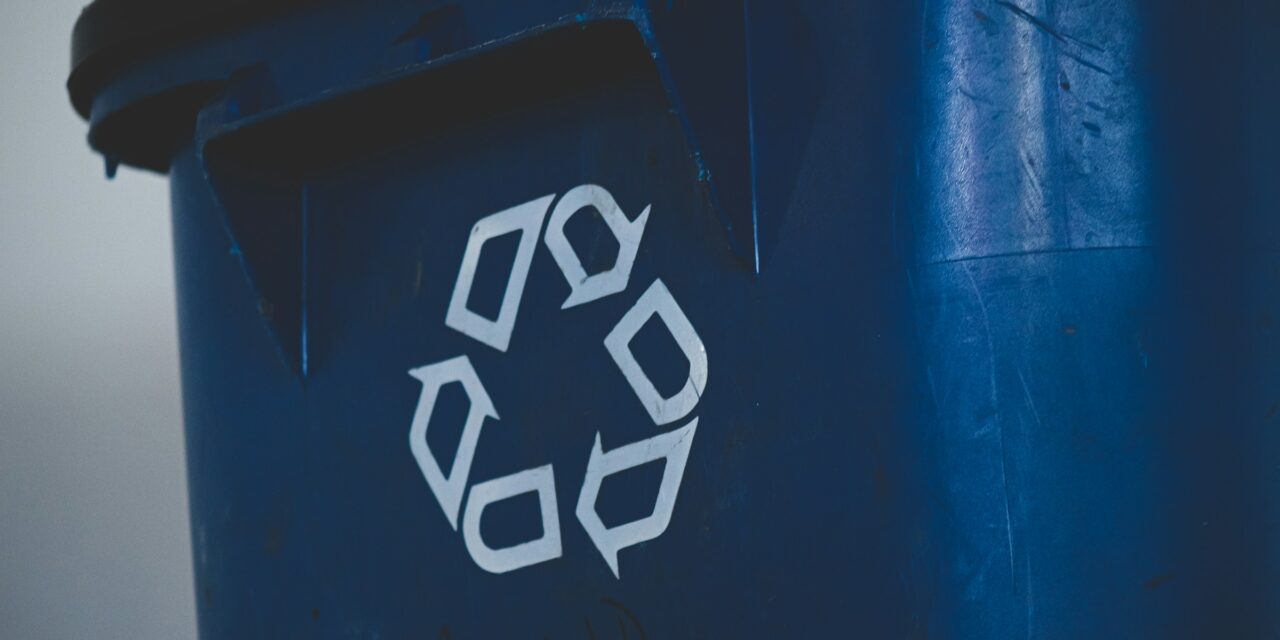
York Region is now accepting preliminary applications for its Circular Economy Initiatives Fund (CEIF). Now in its fourth year, the grant program offers between $5,000 and $25,000 in funding to support nonprofit projects aimed at reducing residential waste generation.
“A circular economy eliminates waste and pollution and conserves resources,” York Region explains. “It is a shift from a throw-away to a circular mindset to extend the lifecycle of goods, food, and resources through better design and continuous reuse, so nothing goes to waste.”
The fund is divided into two streams. The Reduce Waste stream supports community-based projects that cut environmental impacts through reduction and reuse initiatives. Eligible projects include food waste reduction, development of waste-cutting technology, pilot composting programs for multi-residential buildings, and innovative approaches to cutting home renovation waste.
Reuse initiatives encourage donation, swapping, and resale through community events, lending libraries, makerspaces, and repair hubs. Projects may also focus on creating new items from locally recovered waste materials.
The Enhance Education and Awareness stream aims to deliver educational programming that changes resident behaviour and builds understanding of waste impacts. Examples offered by York Region include workshops on circular economy principles and waste reduction, as well as skills training for repair and upcycling work.
Registered charities and nonprofits are eligible to apply, including community groups, resident associations, business improvement areas, environmental committees, and schools. Organizations outside York Region may apply if their projects directly benefit local communities.
Priority will be given to innovative, community-driven initiatives that can measure results. Projects cannot duplicate existing programs, must include a clear communications plan, and should demonstrate achievable timelines with detailed work plans.
Past grant recipients include the Whitchurch-Stouffville Strawberry Festival, which received funding in 2022 to reduce food waste and single-use plastics. In 2023, York Region Food Network secured support to salvage food from local farms and retailers, redistributing it through programs that increased food education and access for underserved communities.
Since CEIF launched in 2021, more than $400,000 has been awarded to 20 organizations.
Preliminary applications must be submitted by September 14, with detailed information about the application process available online. Applicants who advance to the next stage will be notified in October, with detailed project applications due Nov. 2. Successful organizations will be informed in December, and projects should begin in February 2026.
Cover image taken by Sigmund