- York Region reported its first positive test for West Nile Virus in 2025, detected in a Vaughan mosquito trap.
- In 2024, 18 mosquito traps tested positive for the virus, up from 13 in 2023, though none were found in Whitchurch-Stouffville.
- The Region monitors up to 40 traps weekly from June through October as part of its seasonal surveillance program.
- Residents are encouraged to eliminate standing water on their properties and can request free larvicide treatments for private catch basins.
- While most West Nile infections cause no symptoms, severe complications can occur in rare cases.
In an announcement today, York Region confirmed its first West Nile Virus detection of the season. It was found in a sample taken from a mosquito trap near Weston Road and Rutherford Road in Vaughan.
The Region’s mosquito surveillance program runs annually from June through October. Public Health staff monitor up to 40 traps each week throughout the region, testing captured mosquitoes for the virus. Eighteen traps tested positive for West Nile in 2024, which was an increase from 13 positive tests in 2023. However, no infected mosquitoes were found in Whitchurch-Stouffville in either year.
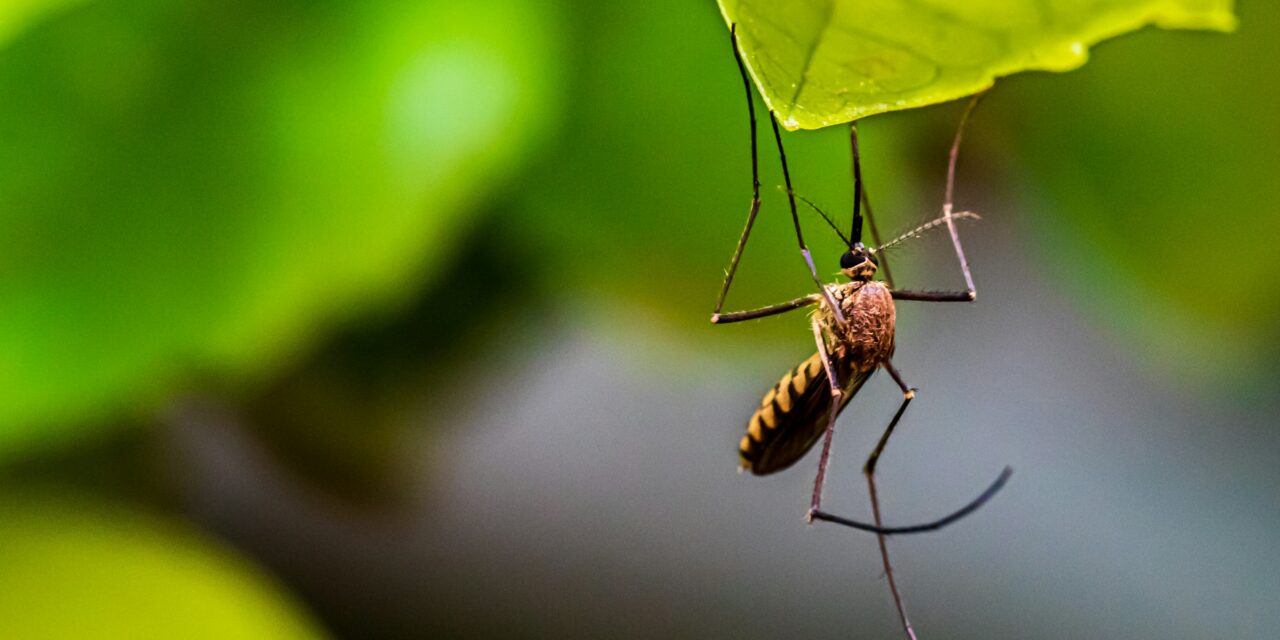
“Mosquitoes are responsible for passing West Nile virus from birds to humans,” the Region explains on its website. “Not all mosquitoes carry West Nile virus. Only a few of the 57 mosquito species found in Ontario are able to carry and spread the virus.”
Three York Region residents were confirmed to have contracted West Nile Virus in 2024, which Public Health officials work to prevent through proactive control measures, including treating stagnant water on public land with larvicides such as bacillus thuringiensis israelensis (Bti) or Methoprene. The Region also operates a summer-long mosquito control program focused on eliminating standing water.
Residents are urged to reduce such mosquito-friendly environments on their personal properties. This includes removing or refreshing water in containers like flower pots, birdbaths, and gutters, and checking for puddles on tarps and pool covers. Rain barrels should be fitted with mesh screens, and ponds should include functioning circulation systems. Bti larvicides can also be used in rain barrels and ponds to prevent mosquito larvae from developing into mature adults.
According to the World Health Organization, most individuals infected with West Nile Virus do not develop symptoms. However, approximately 20 percent may experience mild illness such as fever, headaches, fatigue, or confusion. In rare instances, the virus can lead to serious neurological complications, including tremors, paralysis, or coma.
The Region offers free larvicide treatment for catch basins on private properties. Homeowners can request the service by calling Health Connection at 1-800-361-5653 or by emailing the Health Inspector’s office.
Standing water concerns on both public and private land can also be reported through Health Connection. All nine municipalities within York Region have standing water bylaws in place to help curb mosquito breeding, and blue door hangers are issued to homes that have received a standing water complaint.
Residents are asked to clear any standing water within seven days, though it can take as few as four days for mosquito breeding to begin. Eliminating stagnant water helps prevent mosquitoes from laying eggs and multiplying.
While the overall risk of contracting West Nile Virus remains low, Public Health also advises residents to take personal precautions. These include wearing long sleeves, pants, and socks during peak mosquito hours, using insect repellent containing DEET or icaridin, and considering permethrin-treated clothing for additional protection.