- A mosquito trap near Highway 48 and Aurora Road has tested positive for West Nile virus.
- York Region is conducting an environmental scan within two kilometres of the positive trap.
- Public Health Staff will identify and treat standing water containing mosquito larvae on public property.
- York Region monitors 34 mosquito traps weekly from June through September.
- Residents can help prevent mosquito breeding by eliminating standing water around their properties.
- No human cases of West Nile virus have been confirmed in York Region this year.
A mosquito trap in Whitchurch-Stouffville has tested positive for West Nile virus, prompting York Region Public Health to begin an environmental scan around the detection site.
The positive sample was collected from a trap near Highway 48 and Aurora Road, according to the Town. Public Health officials have not confirmed a human case of West Nile virus in York Region this year.
The environmental scan will cover a two-kilometre radius around the positive trap, looking for potential mosquito breeding sites and water containing larvae on public property. The inspection will include catch basins, ditches, parks, stormwater management ponds, field pools, and other areas where water can collect.
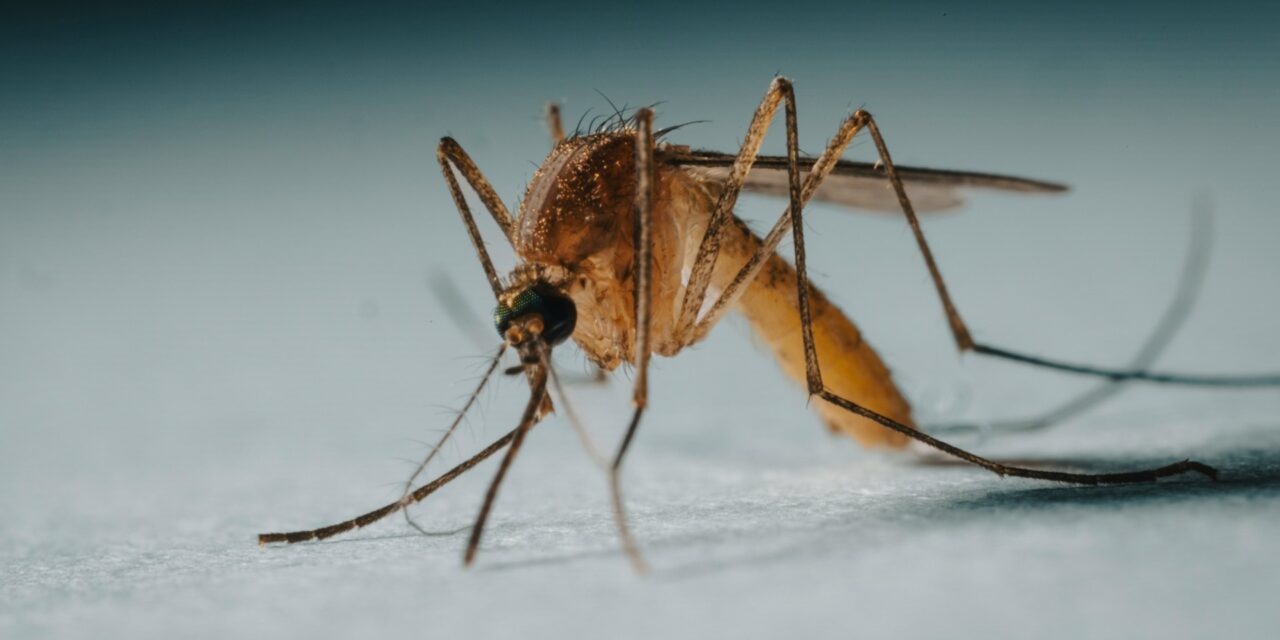
Where larvae are found, the Region can apply larvicides to prevent mosquitoes from developing into adults. Mosquitoes transmit West Nile virus from infected birds to people, according to York Region, though only a small number of the 34 mosquito species found in Ontario are capable of carrying and spreading the virus.
The Region’s 2026 surveillance program includes 34 traps across its lower-tier municipalities. They are checked weekly from mid-June through September, with positive results posted online. The program helps Public Health track virus activity and target mosquito control measures where they are most needed.
While the Region works to address breeding sites on public property, residents can help reduce mosquito populations around their homes by eliminating areas where water can collect. Outdoor containers such as birdbaths, flowerpots, and swimming pool covers should be emptied regularly. Eavestroughs should also be kept clear and checked to ensure they are draining properly.
Residents can report problematic water accumulation on private property through the Region’s Health Connection line by calling 1-800-361-5653 and selecting Option 4. A blue door hanger notifying the homeowner may be left behind if a concern is identified.
“Standing water should be removed within 7 days to limit breeding sites for mosquitoes and to help prevent the spread of West Nile virus,” the Region explains. “All nine municipalities in York Region have Standing Water bylaws in place.”
Community members spending time outdoors, particularly when mosquito activity is high, are encouraged to use insect repellent containing DEET or icaridin. Wearing light-coloured clothing that covers the arms and legs can also help reduce exposure.
Most people infected with West Nile virus do not develop symptoms, but some may experience fever, headaches, body aches, fatigue, or confusion. In rare cases, the infection can cause serious neurological illness.
Last year saw a significant increase in confirmed and probable West Nile cases in York Region, with 18 individuals reported. The next-highest total included in posted Regional data was recorded in 2017, when 12 cases were reported. Between those two years, the Region averaged less than three cases annually.
York Region provides free larvicide treatment for catch basins on private properties. Residents can contact Health Connection for more information, to request treatment, or to report potential mosquito breeding sites.
Additional information about West Nile virus, including symptoms and prevention measures, is available through the York Region Public Health website.
Cover image taken by Rapha Wilde